
FLOODS: CAUSES, RISKS, SAFETY & PREPAREDNESS

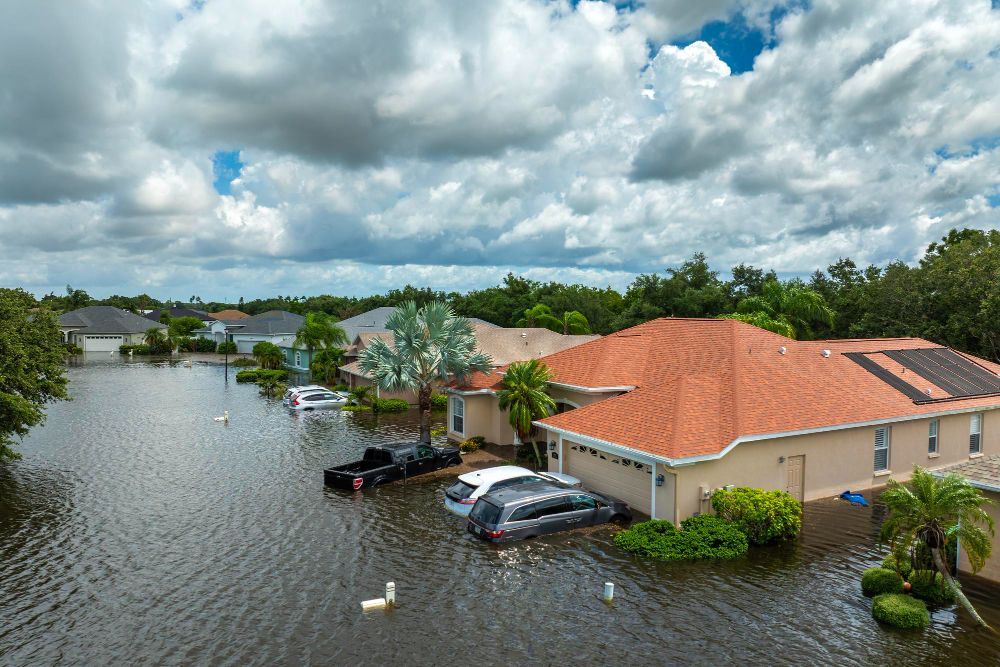
Floods are among the most common natural disasters and can affect communities with little or no warning. They occur when water covers land that is normally dry, often after heavy rainfall, overflowing rivers, storms, coastal events, or failures in drainage and water-management systems.
A flood can damage homes, roads, bridges, businesses, crops, and essential services. It can also contaminate water supplies and create serious risks from debris, electricity, unstable structures, and fast-moving water.
Knowing the risks before a flood occurs can make a significant difference. Preparation, timely decisions, and following official emergency instructions are some of the most important ways to protect yourself, your family, and your community.
WHAT CAUSES FLOODS?
Flooding can happen for many different reasons. The most common causes include:
- Heavy or prolonged rainfall
- Rivers and streams overflowing their banks
- Sudden intense rainfall causing flash floods
- Tropical storms and cyclones
- Storm surges and coastal weather events
- Rapid snow or ice melt
- Dam or levee failures
- Poor or overloaded drainage systems
- Blocked drains and waterways
- Urban development that reduces the ground's ability to absorb water
The severity of a flood depends on factors such as rainfall intensity, local terrain, drainage capacity, soil conditions, river levels, and the amount of water entering an area.
TYPES OF FLOODS
FLASH FLOODS
Flash floods develop quickly, sometimes within minutes or hours after intense rainfall. Because they can occur with limited warning, they are particularly dangerous. People in low-lying areas, near streams, drainage channels, or areas affected by heavy rainfall should be prepared to move quickly to safer ground.
RIVER FLOODS
River flooding occurs when rivers or streams rise above their normal levels. It can follow periods of heavy or prolonged rainfall and may affect communities located near rivers and floodplains.
COASTAL FLOODING
Coastal flooding happens when seawater moves onto normally dry land. Storm surges, severe coastal storms, and unusually high water levels can increase the risk.
URBAN FLOODING
In towns and cities, rainfall can overwhelm drainage systems, particularly when large amounts of water fall in a short period. Roads, underpasses, basements, homes, and commercial areas can become flooded quickly.
WHY ARE FLOODS DANGEROUS?
Floodwater is not simply excess rainwater. It can contain sewage, chemicals, debris, damaged building materials, and other contaminants. Flooding can also damage electrical systems and weaken roads, bridges, and buildings.
Fast-moving water presents an especially serious danger. The National Weather Service warns that even about 6 inches of moving water can knock a person off their feet, while approximately 12 inches of moving water can move a car.
Flooding can result in:
- Injuries and loss of life
- Damage to homes and buildings
- Road and bridge damage
- Power and communication outages
- Contaminated drinking water
- Transportation disruptions
- Crop and livestock losses
- Business interruption
- Displacement of residents
- Environmental damage
HOW TO PREPARE FOR A FLOOD
Preparation should happen before severe weather or flooding begins.
KNOW YOUR LOCAL FLOOD RISK
Understand whether your home, workplace, school, or regular travel routes are located in an area that can flood. Identify nearby higher ground and learn the safest routes away from low-lying areas.
Keep track of local weather forecasts and emergency alerts when heavy rainfall or flooding is possible.
MAKE AN EMERGENCY PLAN
Your household should know what to do if flooding occurs. Discuss:
- Where you will go if you need to evacuate
- Which routes you will use
- How family members will communicate
- Where important documents are stored
- How children, older adults, or people needing additional assistance will be supported
- How pets and animals will be cared for
Do not wait until floodwater is rising to decide where you will go.
PREPARE EMERGENCY SUPPLIES
Keep essential supplies together so they are easy to take with you if evacuation becomes necessary. Depending on your circumstances, these may include drinking water, ready-to-eat food, medicines, first-aid supplies, flashlights, batteries, phone chargers, hygiene items, clothing, and important documents.
Store important documents in waterproof protection and maintain secure digital copies where appropriate.
WHAT TO DO WHEN A FLOOD WARNING IS ISSUED
When authorities issue a flood warning, take the information seriously. Continue monitoring official updates because flood conditions can change rapidly.
If an evacuation order is issued, leave immediately rather than waiting for conditions to become worse. Take essential medicines, important documents, emergency supplies, and other critical items if it is safe to do so.
If you are already in a flood-prone location and water begins rising, move toward higher ground. Do not wait until escape routes are covered by water. The National Weather Service specifically advises people to get to higher ground and evacuate immediately when conditions require it.
FLOOD SAFETY DURING THE EMERGENCY
STAY OUT OF FLOODWATER
Avoid walking, swimming, or playing in floodwater. Water can hide open drains, damaged roads, sharp debris, chemicals, and electrical hazards.
Never assume that shallow water is safe simply because you can see the road beneath it.
NEVER DRIVE THROUGH FLOODED ROADS
One of the most important flood-safety rules is simple: Turn Around, Don't Drown.
Do not drive through flooded roads or around barricades. Water can be deeper than it appears, and floodwater may have washed away part of the road underneath. A vehicle can lose traction or be swept away by moving water.
If a road is flooded, find a safe alternative route or postpone the journey.
BE CAREFUL AROUND ELECTRICITY
Stay away from downed power lines, damaged electrical equipment, and areas where electrical systems may have come into contact with water.
Do not touch electrical equipment while standing in water. If you hear buzzing, crackling, or see sparks, leave the area immediately.
What to Do After a Flood
Flood conditions can remain dangerous even after the water begins to recede.
Return home only when local authorities say that it is safe. Roads, bridges, buildings, electrical systems, and water supplies may remain damaged.
After a flood:
- Stay away from unstable structures.
- Avoid fallen power lines and damaged electrical equipment.
- Do not use potentially contaminated water for drinking until it has been declared safe.
- Keep children away from floodwater and damaged areas.
- Wear suitable protective equipment during cleanup.
- Watch for debris, animals, insects, and other hazards.
- Photograph property damage when it is safe to do so.
- Follow instructions from local authorities and public-health agencies.
Floodwater can carry contaminants, so good hygiene and careful handling of food and drinking water are particularly important after flooding.
PROTECTING YOUR HOME AND PROPERTY
Where practical, homeowners and businesses can reduce flood damage by keeping drainage areas clear, protecting important equipment, moving valuable belongings to safer locations, and understanding the flood risk associated with their property.
Long-term protection may involve improvements to drainage, flood-resistant construction, elevation of vulnerable equipment, protection of natural water-storage areas, and better emergency planning.
The right measures depend on local flood conditions, building design, regulations, and professional advice.
COMMUNITY FLOOD PREPAREDNESS
Flood resilience is also a community responsibility. Local authorities, emergency services, businesses, schools, and residents can work together to improve warning systems, evacuation planning, drainage management, emergency shelters, and public awareness.
Communities are better prepared when people know where to receive reliable warnings, which areas are vulnerable, where evacuation routes lead, and what actions they should take when flooding threatens.
FREQUENTLY ASKED QUESTIONS
CAN FLOODS HAPPEN WITHOUT HEAVY RAIN?
Yes. Flooding can also result from overflowing rivers, coastal storms, storm surges, dam or levee failures, and other conditions that cause water to move onto normally dry land.
IS IT SAFE TO WALK THROUGH SHALLOW FLOODWATER?
No. Even shallow moving water can knock a person down, and floodwater can hide dangerous objects, open drains, contaminated materials, or electrical hazards.
SHOULD I DRIVE THROUGH A FLOODED ROAD IF OTHER VEHICLES ARE DOING IT?
No. The safest choice is to avoid the flooded road and find another route. Water depth and road damage can be difficult to judge from inside a vehicle.
WHEN SHOULD I EVACUATE?
Follow official evacuation instructions immediately. If rising water is creating an immediate threat, move to higher ground and follow emergency guidance rather than waiting for conditions to deteriorate.
IS FLOODWATER SAFE AFTER IT STOPS MOVING?
Not necessarily. Standing floodwater can still contain contaminants, debris, chemicals, and electrical hazards. Avoid contact unless authorities have confirmed that an area is safe.
OUR SERVICES
01 TAKE THE NEXT STEP
STAY PREPARED
Floods can develop quickly, but preparation can reduce the risks. Know your local hazards, keep emergency supplies ready, monitor reliable warnings, and understand your evacuation options before an emergency occurs.
During a flood, prioritize life safety over property. Move to higher ground when necessary, follow evacuation orders, stay away from floodwater, and never drive through a flooded roadway.
Stay informed. Stay prepared. Turn around when roads are flooded. Your safety comes first.
