
SNOW STORMS: RISKS, SAFETY & PREPAREDNESS

Snow storms are severe winter weather events that can create dangerous conditions for people, homes, businesses, transportation systems, and critical infrastructure. Heavy snowfall, strong winds, freezing temperatures, and reduced visibility can combine to make travel extremely difficult and can disrupt power, communication, heating, and essential services.
A major snow storm can affect an area for several hours or even several days. In severe cases, communities may experience power outages, blocked roads, roof damage, frozen pipes, and limited access to food, medicine, and emergency services.
Preparing before a snow storm arrives can reduce risk and help individuals, businesses, and communities respond more effectively.
WHAT IS A SNOW STORM?
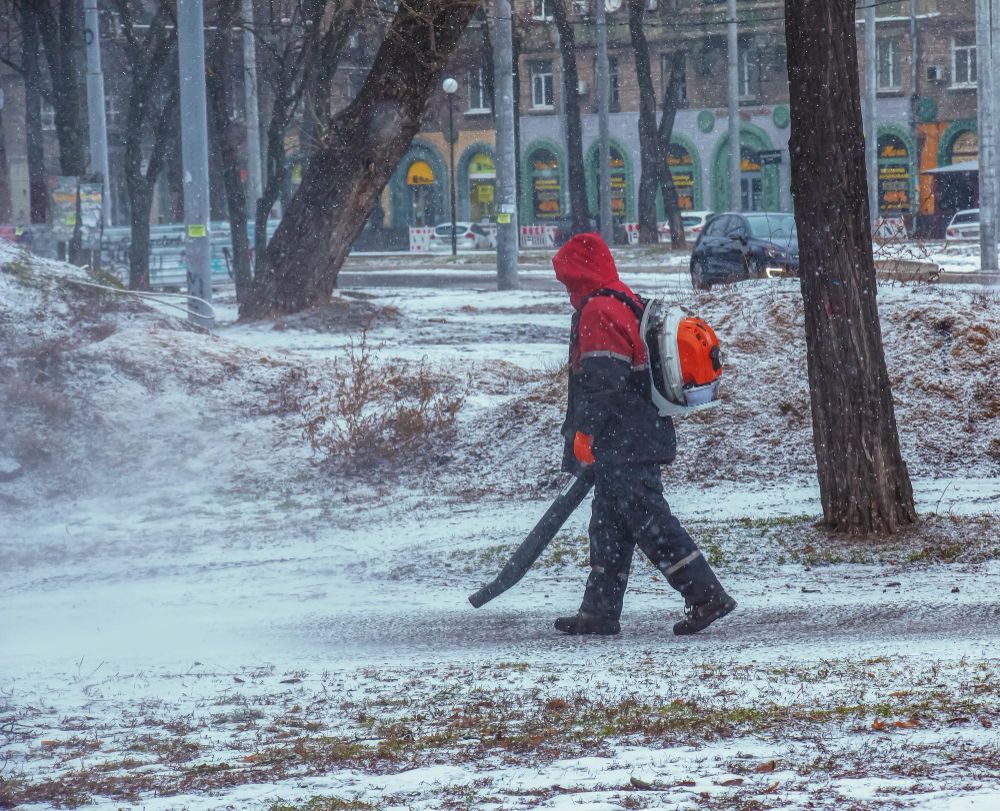
A snow storm is a weather event that produces significant snowfall and may be accompanied by strong winds, blowing snow, freezing temperatures, and reduced visibility.
The severity of a snow storm depends on several factors, including the amount of snowfall, snowfall rate, wind speed, temperature, storm duration, and the ability of local infrastructure to manage the conditions.
Some winter storms can become particularly dangerous when heavy snow combines with strong winds, creating blizzard conditions.
TYPES OF SNOW AND WINTER STORMS
HEAVY SNOWSTORMS
Heavy snowstorms can deposit large amounts of snow within a short period. Accumulated snow can make roads impassable, damage structures, and place additional weight on roofs and other surfaces.
BLIZZARDS
A blizzard is characterized by strong winds and blowing or falling snow that significantly reduces visibility for an extended period. Blizzard conditions can make travel extremely dangerous and can lead to disorientation, exposure, and stranded vehicles.
SNOW SQUALLS
Snow squalls are short-lived but intense bursts of heavy snow accompanied by strong winds and rapidly reduced visibility. Because conditions can deteriorate very quickly, snow squalls can create serious hazards for drivers.
ICE AND FREEZING CONDITIONS
Winter storms may also bring freezing rain or ice accumulation. Ice can make roads and sidewalks extremely slippery and can add significant weight to power lines, trees, and structures.
WHY ARE SNOW STORMS DANGEROUS?
The risks associated with snow storms extend beyond the snow itself.
Heavy snowfall and strong winds can cause:
- Dangerous or impossible travel conditions
- Road and highway closures
- Power outages
- Falling trees and branches
- Damage to roofs and structures
- Frozen or burst pipes
- Communication disruptions
- Delays to emergency services
- Exposure to extreme cold
- Increased risk of vehicle accidents
- Disruption to schools and businesses
Cold temperatures can become especially dangerous when heating systems fail during a power outage.
PREPARING FOR A SNOW STORM
Preparation should begin before severe winter weather arrives.
MONITOR WEATHER CONDITIONS
Stay informed through reliable weather forecasts and official emergency alerts. Pay attention to winter storm watches, warnings, advisories, and local travel restrictions.
Avoid relying solely on social media or unofficial weather information during severe conditions.
PREPARE AN EMERGENCY KIT
Keep essential supplies available in case you are unable to leave your home or services are interrupted.
Your emergency supplies may include:
- Drinking water
- Non-perishable food
- Essential medicines
- First-aid supplies
- Flashlights
- Extra batteries
- Battery-powered radio
- Phone chargers or backup power
- Warm clothing and blankets
- Hygiene supplies
- Important documents
- Emergency heating supplies where appropriate
If you have pets, children, older adults, or people who require additional assistance in your household, prepare supplies according to their needs.
PREPARING YOUR HOME
Before a major snow storm:
- Check your heating system.
- Keep emergency heating supplies available where appropriate.
- Insulate exposed pipes.
- Clear gutters and drainage areas.
- Trim or address potentially hazardous branches where practical.
- Keep snow-removal equipment available.
- Bring loose outdoor items indoors or secure them.
- Keep emergency supplies in an accessible location.
Make sure you know how to safely operate alternative heating equipment before an emergency occurs.
Never use outdoor heating equipment, grills, or fuel-burning appliances inside a home or enclosed space because of the risk of carbon monoxide poisoning.
PREPARING YOUR VEHICLE
Travel can become one of the greatest risks during a snow storm.
Before winter weather arrives:
- Check tires and tire pressure.
- Inspect the battery.
- Keep the fuel tank adequately filled.
- Check windshield wipers and washer fluid.
- Keep an emergency kit in the vehicle.
- Carry blankets or warm clothing.
- Keep a flashlight and extra batteries available.
- Check weather and road conditions before traveling.
If authorities advise people to avoid unnecessary travel, take the warning seriously.
WHAT TO DO DURING A SNOW STORM
The safest option during severe winter weather is often to remain indoors.
Stay informed through official weather and emergency alerts and avoid unnecessary travel.
If you must go outside, dress in layers and protect your head, hands, feet, and face from the cold. Avoid spending extended periods outdoors in severe conditions.
If you are driving, reduce speed, increase following distance, and remain alert for snow-covered roads, ice, reduced visibility, and stranded vehicles.
If conditions become unsafe, stop in a safe location rather than continuing into worsening weather.
DRIVING DURING A SNOW STORM
Snow and ice can make roads extremely hazardous.
Before traveling, check current road conditions and determine whether travel is necessary.
If you must drive:
- Reduce your speed.
- Leave extra distance between vehicles.
- Avoid sudden braking or steering.
- Use headlights when visibility is poor.
- Watch for black ice.
- Keep your windshield clear.
- Follow road closures and emergency instructions.
- Avoid unnecessary stops on exposed roads.
If your vehicle becomes stranded, remain inside unless staying in the vehicle creates an immediate danger. Make your vehicle visible to rescuers and conserve fuel.
Do not attempt to walk long distances through severe winter conditions unless instructed or necessary for immediate safety.
POWER OUTAGES DURING SNOW STORMS
Heavy snow, ice, and strong winds can damage power lines and cause widespread outages.
If the power goes out:
- Use flashlights instead of candles where possible.
- Keep refrigerator and freezer doors closed as much as possible.
- Use generators only outdoors and according to manufacturer instructions.
- Keep generators away from doors, windows, and ventilation openings.
- Never use a generator, grill, or fuel-burning appliance inside a home or garage.
- Follow official utility updates.
Carbon monoxide is an invisible and potentially deadly hazard, particularly when people use inappropriate heating or power-generation equipment indoors.
STAYING SAFE FROM EXTREME COLD
Cold temperatures can become dangerous when exposure lasts too long.
Watch for signs of cold-related illness, including excessive shivering, confusion, unusual tiredness, numbness, or loss of coordination.
Stay indoors whenever possible and keep yourself and vulnerable household members warm.
People who live alone, older adults, young children, and individuals who depend on electricity-powered medical equipment may require additional planning during prolonged winter emergencies.
WHAT TO DO AFTER A SNOW STORM
Conditions can remain hazardous even after snowfall stops.
Before going outside, check official updates and local road conditions.
After the storm:
- Avoid damaged power lines.
- Watch for falling branches and unstable trees.
- Clear snow carefully from safe areas.
- Check your roof for excessive snow accumulation or damage.
- Inspect pipes for freezing or damage.
- Avoid unnecessary driving until roads are safe.
- Check on vulnerable family members or neighbors where appropriate.
- Follow local instructions regarding snow removal and travel.
Snow and ice can also conceal hazards beneath the surface, including damaged sidewalks, debris, and uneven ground.
SNOW STORM SAFETY FOR BUSINESSES
Businesses should have winter emergency plans that address employees, facilities, vehicles, utilities, and critical operations.
A business continuity plan can include:
- Remote-work arrangements where practical
- Backup communication methods
- Emergency contact lists
- Snow and ice removal plans
- Backup power arrangements
- Protection of critical equipment
- Emergency supplies
- Procedures for safely reopening after a storm
Planning ahead can reduce downtime and help businesses resume operations more safely after severe winter weather.
FREQUENTLY ASKED QUESTIONS
HOW DANGEROUS CAN A SNOW STORM BE?
A severe snow storm can create life-threatening conditions through extreme cold, heavy snowfall, strong winds, reduced visibility, power outages, and dangerous roads.
SHOULD I TRAVEL DURING A SNOW STORM?
Avoid unnecessary travel when severe winter weather is expected. If authorities advise against travel, follow their guidance.
WHAT SHOULD I KEEP IN MY EMERGENCY KIT?
Keep water, food, medicines, flashlights, batteries, warm clothing, blankets, chargers, and other essential supplies appropriate for your household.
WHAT SHOULD I DO IF MY CAR GETS STUCK?
Remain with the vehicle when it is safer than attempting to walk through severe conditions. Make the vehicle visible to rescuers and conserve fuel.
CAN SNOW STORMS CAUSE POWER OUTAGES?
Yes. Heavy snow, ice accumulation, strong winds, and falling trees can damage power infrastructure and cause outages.
FORGE & APEX: READY TO RESPOND WHEN IT MATTERS
Snow storms can create urgent challenges for homes, businesses, communities, and critical infrastructure. Heavy snow, freezing conditions, power outages, blocked roads, and property damage can require a rapid and coordinated response.
FORGE & APEX is committed to responding quickly and efficiently when severe winter weather creates emergency needs. Our focus is on timely action, clear coordination, and dependable support during challenging conditions.
Whether a snow storm results in property damage, infrastructure disruption, access issues, or other emergency challenges, FORGE & APEX stands ready to respond and provide fast, dependable support when it is needed most.
Preparedness can reduce the impact of a snow storm, but when an emergency occurs, a fast and organized response matters. FORGE & APEX is ready to act.
OUR SERVICES
01 TAKE THE NEXT STEP
STAY PREPARED FOR WINTER EMERGENCIES
Snow storms can develop into serious emergencies when heavy snowfall, strong winds, ice, and extreme cold occur together. Understanding the risks, preparing emergency supplies, maintaining your home and vehicle, monitoring official warnings, and avoiding unnecessary travel can help protect people and property.
Prepare early. Stay informed. Stay warm. And when severe winter weather strikes, rely on a safe and coordinated response.
