
TROPICAL STORMS & HURRICANES: SAFETY & PREPAREDNESS

Tropical storms and hurricanes are powerful tropical cyclones that can cause serious damage to communities, infrastructure, homes, businesses, and natural environments. Their effects are not limited to strong winds. Heavy rainfall, flooding, storm surge, tornadoes, coastal erosion, and dangerous waves can create life-threatening conditions both near the coast and far inland.
A tropical storm can become a hurricane when its sustained winds reach 74 mph or greater in the Atlantic and eastern North Pacific basins. However, a storm does not need to reach hurricane strength to cause significant damage. Even tropical storms can produce severe rainfall, flooding, and destructive winds.
The safest approach is to prepare early, monitor reliable weather information, and follow instructions from local emergency authorities.
WHAT ARE TROPICAL STORMS AND HURRICANES?
Tropical storms and hurricanes are organized weather systems that develop over warm ocean waters. As these systems strengthen, their wind speeds and potential impacts increase.
A tropical cyclone is generally classified according to its maximum sustained wind speed. In different parts of the world, similar systems may be called hurricanes, typhoons, or cyclones.
While hurricane categories are useful for describing wind strength, they do not represent every danger associated with a storm. A lower-category hurricane can still produce dangerous flooding, storm surge, or tornadoes.
TROPICAL STORMS
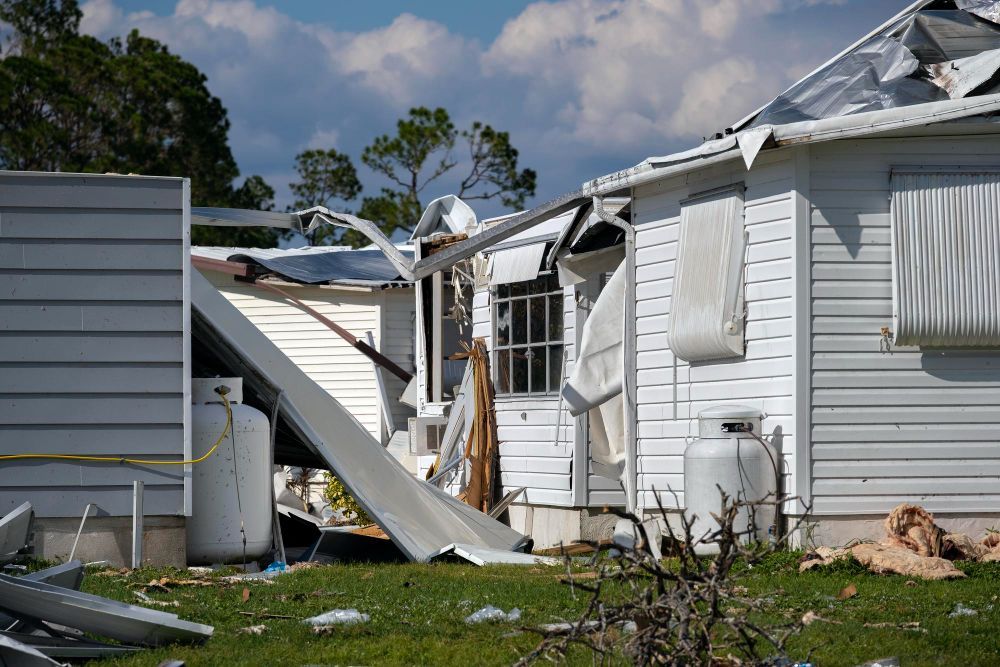
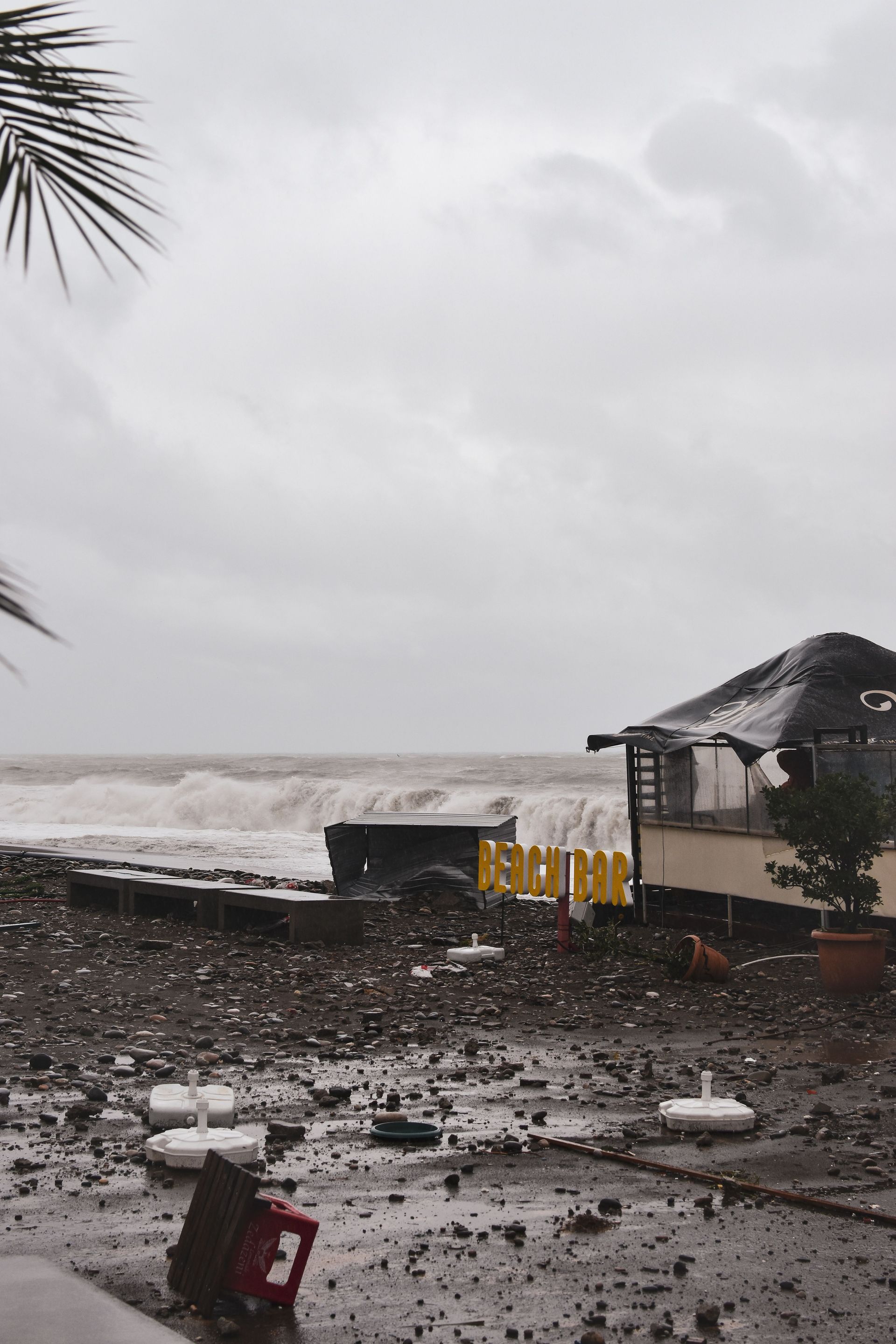
A tropical storm has sustained winds strong enough to create significant weather hazards but below hurricane strength.
Tropical storms can bring:
- Heavy and prolonged rainfall
- Flash and river flooding
- Strong winds
- Coastal flooding
- Dangerous waves and rip currents
- Tornadoes
- Power outages
- Fallen trees and debris
Because rainfall and flooding can extend far beyond the storm's center, communities located away from the coast should not assume they are safe simply because the storm is not expected to make landfall nearby.
HURRICANES
A hurricane is a tropical cyclone with sustained winds of at least 74 mph in the Atlantic and eastern North Pacific regions.
Hurricanes can range from relatively weak systems to extremely powerful storms capable of widespread destruction. Their effects depend not only on wind speed but also on storm size, forward speed, rainfall, coastal geography, and the areas affected.
The major hazards associated with hurricanes include:
HURRICANE WINDS
Strong winds can damage roofs, windows, buildings, power lines, communication systems, trees, and other infrastructure. Loose outdoor objects can become dangerous projectiles.
STORM SURGE
Storm surge occurs when hurricane winds push seawater toward the coastline. It can cause severe and sometimes rapidly developing coastal flooding.
For people living near the coast, storm surge can be one of the most serious hurricane hazards. Knowing your evacuation zone and following local evacuation instructions are essential.
HEAVY RAINFALL AND INLAND FLOODING
Hurricanes and tropical storms can release enormous amounts of rainfall. This can lead to flash flooding, river flooding, landslides, and road closures.
Flooding may occur far inland and can continue even after a storm has weakened.
TORNADOES
Tornadoes can develop within tropical systems, particularly as hurricanes and tropical storms move inland. These tornadoes may occur outside the area experiencing the strongest hurricane winds.
DANGEROUS COASTAL CONDITIONS
Large waves, strong currents, coastal flooding, and rip currents can make beaches and coastal waters extremely dangerous before, during, and after a storm.
HURRICANE CATEGORIES
The Saffir-Simpson Hurricane Wind Scale classifies hurricanes from Category 1 to Category 5 according to their maximum sustained wind speeds.
However, the category should not be treated as a complete measurement of the storm's danger. A Category 1 hurricane with extensive rainfall and storm surge can create greater flooding impacts in a particular location than a stronger storm that affects a different area.
When preparing for a storm, pay attention to all hazards, not just the category.
HURRICANE WATCHES AND WARNINGS
Understanding watches and warnings can help you make timely decisions.
A Hurricane Watch means hurricane conditions are possible within the specified area.
A Hurricane Warning means hurricane conditions are expected and people in the affected area should complete their preparations and follow instructions from local authorities.
Similar watches and warnings may be issued for tropical-storm conditions and storm surge.
Do not wait until dangerous weather arrives before taking action.
HOW TO PREPARE
Preparation should begin before a tropical storm or hurricane threatens your area.
KNOW YOUR RISK
Find out whether your home, workplace, school, or travel routes are exposed to:
- Hurricane-force winds
- Storm surge
- Coastal flooding
- Inland flooding
- Tornadoes
- Landslides
- Dangerous waves
If you live in an evacuation zone, know where you would go and which routes you would use.
CREATE AN EMERGENCY PLAN
Your household emergency plan should include:
- Evacuation destinations
- Multiple evacuation routes
- Emergency contacts
- Communication arrangements
- Plans for children and older adults
- Support for people with disabilities or additional needs
- Arrangements for pets and animals
- A safe shelter location
Discuss the plan with everyone in your household before an emergency occurs.
BUILD AN EMERGENCY KIT
Keep essential supplies ready and easy to access. These can include:
- Drinking water
- Non-perishable food
- Essential medicines
- First-aid supplies
- Flashlights
- Batteries
- Portable radio
- Phone chargers or backup power
- Hygiene supplies
- Important documents
- Essential clothing
- Pet supplies
Power, water, transportation, and communication services can remain unavailable after a major storm, so emergency supplies should be sufficient for the expected conditions.
PROTECTING YOUR PROPERTY
Before strong winds arrive, secure loose outdoor furniture, equipment, decorations, and other objects that could become airborne.
Close and secure windows and exterior doors. Install approved storm shutters or other protective measures where appropriate.
Move vehicles to a safer location if possible, and move important belongings away from areas that may flood.
If local authorities provide instructions regarding utilities, follow those instructions carefully and only take action when it is safe.
WHAT TO DO WHEN A HURRICANE APPROACHES
Continue monitoring official forecasts and emergency alerts.
Use reliable information from government weather agencies and local emergency-management authorities rather than relying solely on social media or unofficial forecasts.
If an evacuation order is issued:
LEAVE IMMEDIATELY.
Follow designated evacuation routes and take essential medicines, documents, emergency supplies, and necessary personal items with you.
Do not wait until roads become flooded, winds become dangerous, or traffic becomes severe.
STAYING SAFE DURING THE STORM
If you are sheltering in place, remain indoors and stay away from windows and exterior doors.
Choose a secure interior room with as many walls as practical between you and the outside. Continue monitoring official alerts throughout the storm.
Do not go outside simply because conditions temporarily appear calm. The eye of a hurricane can create a period of calmer weather, but dangerous conditions can return quickly when the other side of the storm arrives.
If flooding threatens your location, move to higher ground and follow evacuation instructions.
Never walk or drive through floodwater.
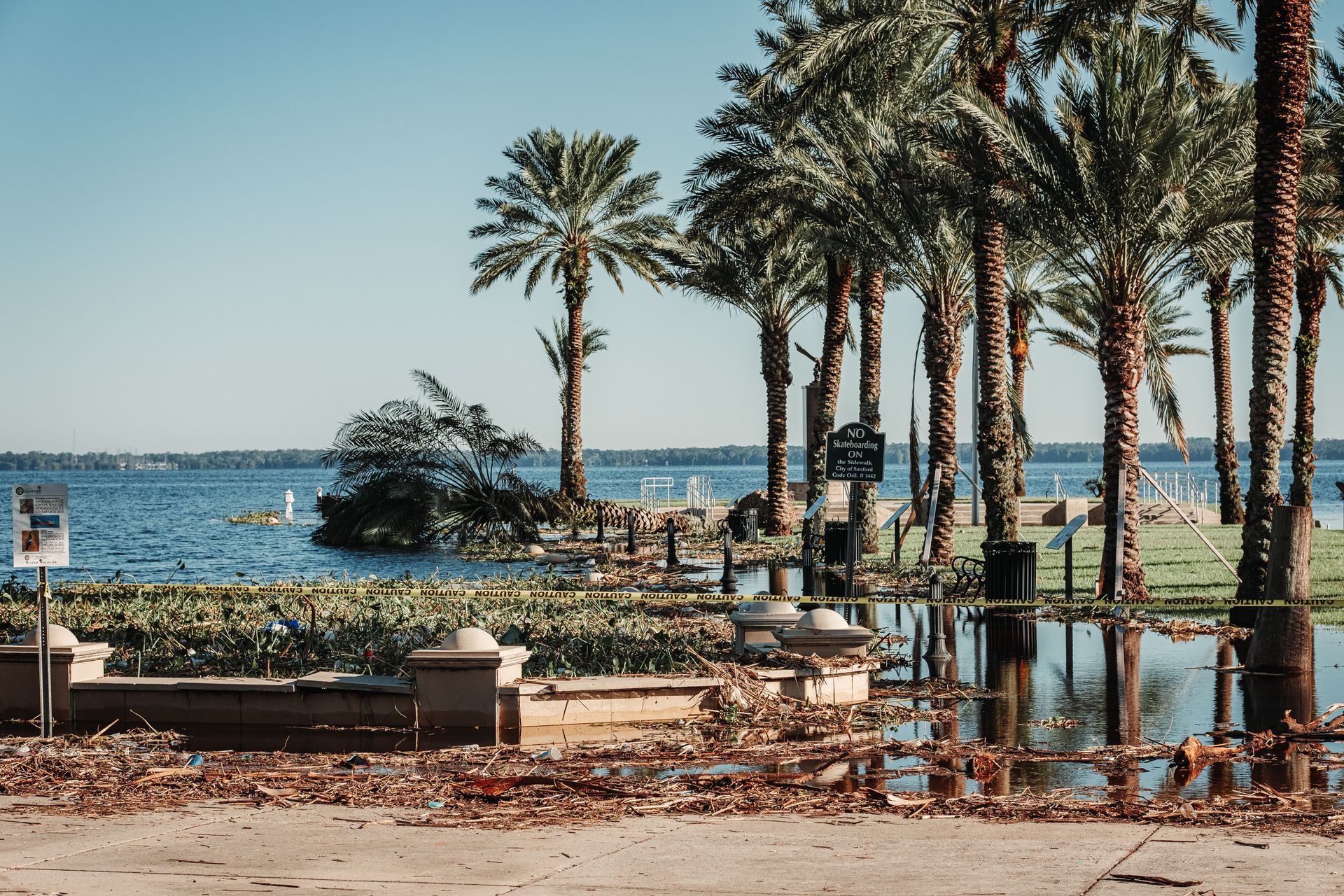
AFTER THE HURRICANE
The danger does not necessarily end when the storm moves away.
If you evacuated, return only after authorities confirm that it is safe.
AFTER A HURRICANE, WATCH FOR:
- Downed power lines
- Flooded roads
- Damaged bridges
- Unstable buildings
- Broken gas lines
- Sharp debris
- Contaminated water
- Fallen trees
- Damaged electrical systems
Never operate a portable generator inside a home, garage, basement, or other enclosed space. Generators must be used outdoors in a properly ventilated location to reduce the risk of carbon monoxide poisoning.
During cleanup, use appropriate protective equipment and keep children away from damaged areas.
FREQUENTLY ASKED QUESTIONS
CAN A TROPICAL STORM BE DANGEROUS?
Yes. Tropical storms can produce damaging winds, heavy rainfall, flooding, tornadoes, and dangerous coastal conditions.
DOES A HIGHER HURRICANE CATEGORY ALWAYS MEAN GREATER OVERALL DANGER?
No. The category primarily describes maximum sustained wind speed. Rainfall, storm surge, flooding, storm size, and other hazards must also be considered.
CAN HURRICANES AFFECT AREAS FAR INLAND?
Yes. Heavy rainfall, flooding, strong winds, and tornadoes can affect areas far from the coastline.
SHOULD I EVACUATE DURING A HURRICANE?
If local authorities issue an evacuation order, you should leave promptly using the recommended routes.
IS IT SAFE TO GO OUTSIDE AFTER THE HURRICANE PASSES?
Not necessarily. Flooding, power lines, structural damage, debris, and contaminated water can remain dangerous. Wait for official safety information.
FORGE & APEX: READY TO RESPOND WHEN IT MATTERS
Tropical storms and hurricanes can create urgent needs within a very short period. From severe weather and flooding to property damage and disrupted infrastructure, communities and organizations may require timely support during and after a major storm.
FORGE & APEX is committed to responding quickly and efficiently when these situations occur. Our focus is on providing a responsive, organized approach when emergency circumstances demand timely action.
Whether a tropical storm or hurricane results in wind damage, flooding, debris, infrastructure disruption, or other emergency challenges, FORGE & APEX stands ready to respond and provide dependable support when it is needed most.
Preparedness helps reduce risk, but when disaster strikes, a fast and coordinated response matters too. FORGE & APEX is ready to act.
STAY INFORMED. STAY PREPARED.
Tropical storms and hurricanes can change rapidly, and their impacts can extend well beyond the storm's center. Preparing early, understanding your local risks, keeping emergency supplies available, knowing evacuation routes, and monitoring official warnings can help protect lives and reduce damage.
Do not focus only on the storm's category. Pay attention to every hazard that may affect your area, especially wind, flooding, storm surge, and tornadoes.
Prepare early. Follow official guidance. Act quickly when conditions become dangerous.
OUR SERVICES
02 TAKE THE NEXT STEP
