
WILDFIRES: RISKS, SAFETY & PREPAREDNESS

Wildfires are uncontrolled fires that spread through forests, grasslands, brush, and other areas with combustible vegetation. They can develop rapidly and threaten homes, businesses, roads, utilities, wildlife, and entire communities.
Wildfire risk can increase during hot, dry, and windy conditions. The danger is not limited to flames. Smoke, poor visibility, falling trees, burning embers, power outages, road closures, and hazardous air quality can create additional risks. Preparing before a wildfire occurs and acting quickly when authorities issue warnings can help protect lives and property.
WHAT CAUSES WILDFIRES?
Wildfires can start naturally or through human activity. Common causes include:
- Lightning
- Unattended campfires
- Burning debris
- Fireworks
- Discarded cigarettes
- Machinery and equipment
- Electrical infrastructure failures
- Accidental fires
- Intentional acts of arson
Weather and environmental conditions influence how quickly a fire spreads. Dry vegetation, high temperatures, low humidity, and strong winds can make wildfire behavior difficult to predict.
HOW WILDFIRES SPREAD
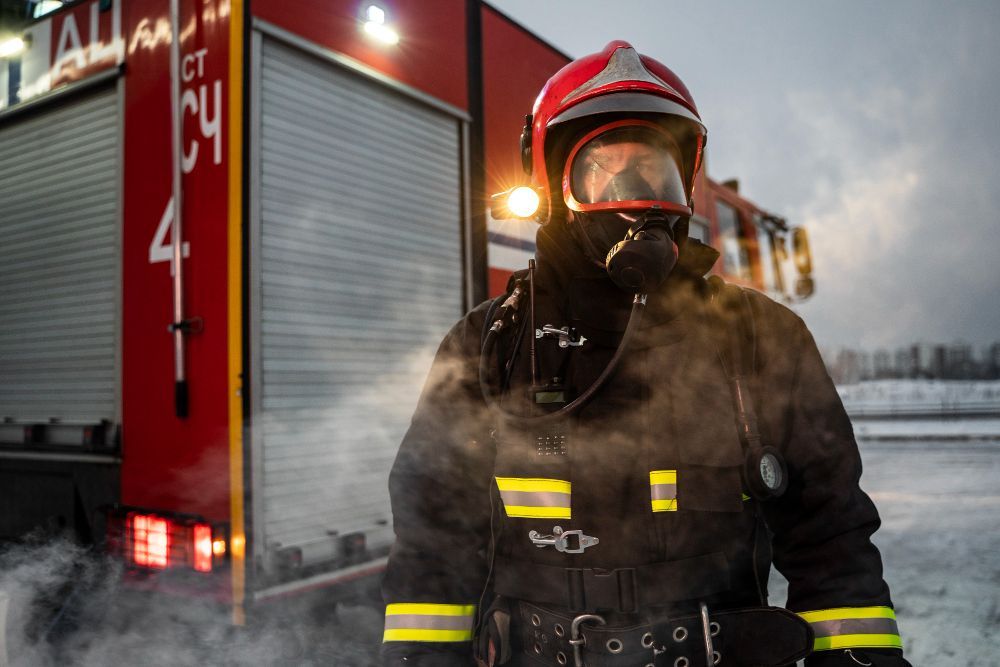
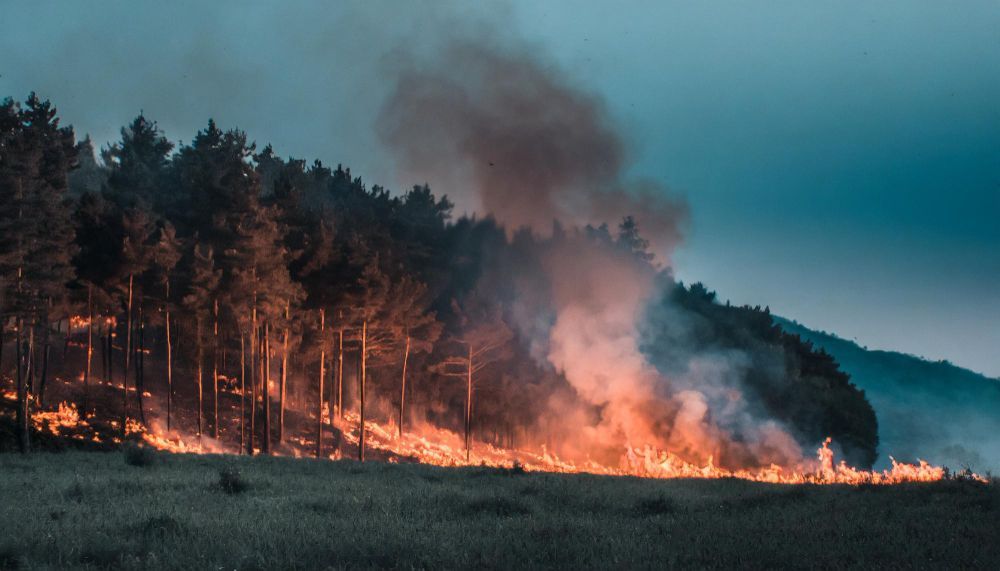
Wildfires may spread across the ground through dry grass, leaves, shrubs, and other vegetation. In forested areas, flames can also move into tree canopies and spread rapidly.
Strong winds can carry burning embers ahead of the main fire. These embers may ignite new fires some distance away, allowing a wildfire to expand beyond its original area.
Because conditions can change quickly, always rely on current information from official fire departments, emergency-management agencies, and other local authorities.
WHY ARE WILDFIRES DANGEROUS?
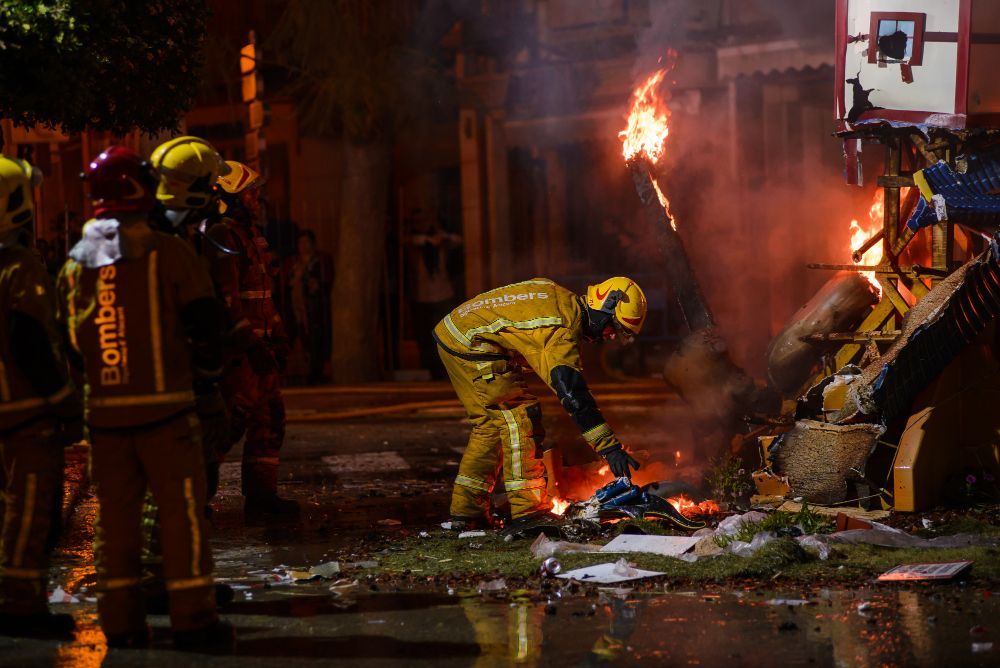
A wildfire can create several hazards at once, including:
- Rapidly spreading flames
- Extreme heat
- Heavy smoke
- Poor visibility
- Burning embers
- Falling trees and branches
- Property and infrastructure damage
- Power outages
- Road closures
- Poor air quality
- Difficult evacuation conditions
Smoke can travel well beyond the immediate fire area. People who are particularly sensitive to smoke should monitor local air-quality information and follow public-health recommendations.
HOW TO PREPARE FOR A WILDFIRE
The best time to prepare is before a wildfire threatens your area.
KNOW YOUR LOCAL RISK
Find out whether your home, workplace, or community is located in a wildfire-prone area. Learn your local evacuation zones, available routes, emergency shelters, and how authorities issue warnings.
Knowing this information beforehand can save valuable time during an emergency.
Create an Emergency Plan
Your household should have a clear plan covering:
- Multiple evacuation routes
- A safe destination
- Emergency contacts
- Family communication arrangements
- Plans for children and older adults
- Assistance for people with disabilities or additional needs
- Arrangements for pets and animals
Discuss the plan with everyone in your household so that each person knows what to do if evacuation becomes necessary.
PREPARE AN EMERGENCY KIT
Keep essential supplies together and ready to take with you. Depending on your household's needs, an emergency kit may include:
- Drinking water
- Non-perishable food
- Essential medicines
- First-aid supplies
- Flashlights and batteries
- Phone chargers or backup power
- Important documents
- Protective clothing
- Hygiene supplies
- Pet supplies
Keep important documents protected and maintain secure digital copies where practical.
PROTECTING YOUR PROPERTY
If you live in a wildfire-prone area, reducing combustible material around your property can help reduce potential fire exposure.
Where appropriate:
- Remove accumulated dry leaves and vegetation.
- Keep roofs and gutters clear of combustible material.
- Maintain vegetation around buildings.
- Store firewood and other combustible materials safely.
- Keep access routes clear for emergency vehicles.
- Follow local recommendations for wildfire-resistant landscaping and property maintenance.
The right precautions depend on local conditions, property design, vegetation, and official wildfire-safety guidance.
WILDFIRE WARNINGS AND EVACUATION
Monitor official emergency alerts whenever wildfire danger is elevated.
If authorities issue an evacuation order, leave immediately. Do not wait until flames or heavy smoke are visible nearby. Roads can become congested, blocked, or unsafe as a fire spreads.
Take essential medicines, important documents, emergency supplies, and necessary personal items with you. Follow designated evacuation routes and avoid unfamiliar shortcuts.
Never attempt to drive through an active wildfire.
STAYING SAFE DURING A WILDFIRE
If a wildfire is affecting your area, continue monitoring official emergency information.
If smoke reaches your community:
Limit outdoor activity when air quality is poor.
Keep windows and doors closed when advised.
Monitor local air-quality information.
Use appropriate indoor air filtration where available.
Follow public-health recommendations.
If you must drive in an area affected by smoke, slow down, use headlights, and watch carefully for emergency vehicles, road closures, and sudden changes in visibility.
If evacuation is ordered, do not delay your departure to protect property.
WHAT TO DO AFTER A WILDFIRE
Returning home after a wildfire can remain dangerous even when visible flames are gone.
Only return when authorities confirm that the area is safe. Potential hazards may include:
- Hot ash and smoldering materials
- Downed power lines
- Unstable structures
- Damaged roads
- Falling trees
- Hazardous debris
- Contaminated water
- Damaged electrical or gas systems
WILDFIRE RECOVERY
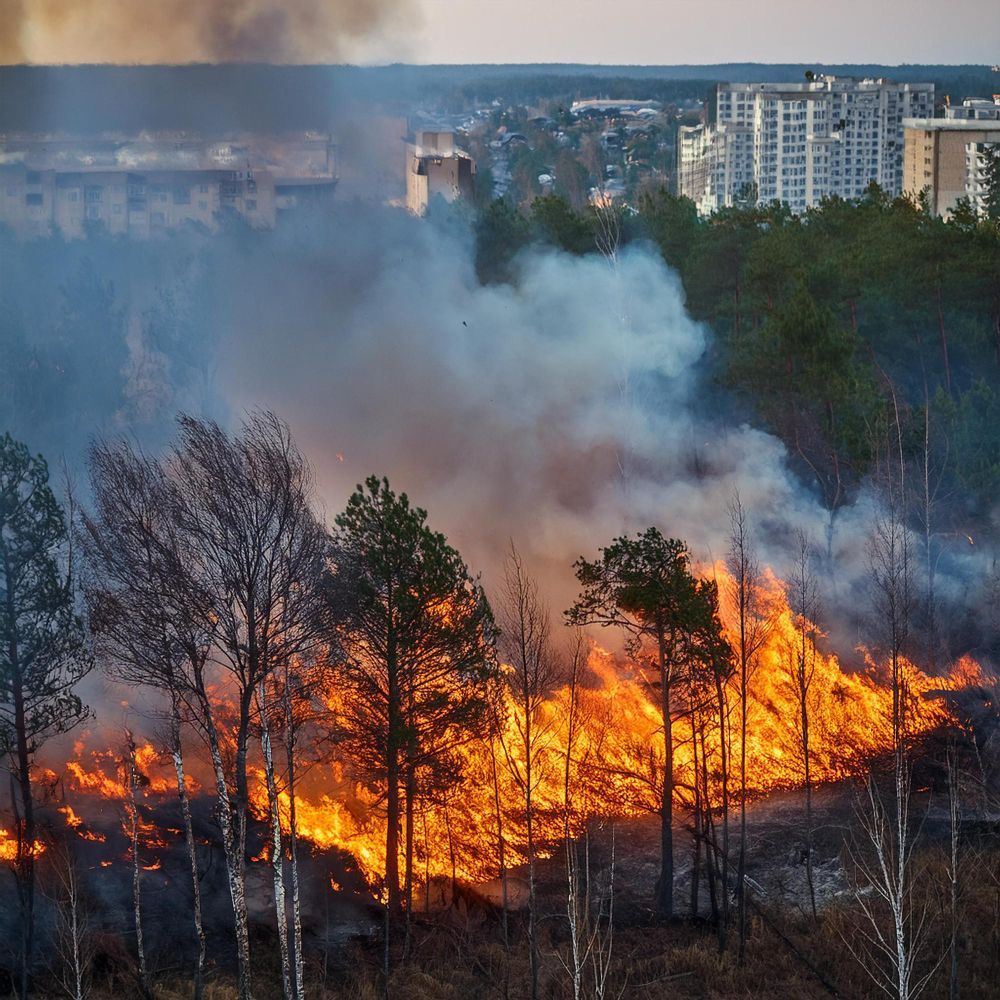
Recovery from a major wildfire can take weeks, months, or longer. Homes and businesses may require structural repairs, debris removal, utility restoration, smoke cleanup, temporary relocation, and other recovery services.
When it is safe, document property damage with photographs and keep relevant records for insurance and recovery purposes. Follow instructions from local authorities, insurers, and other appropriate organizations.
Businesses should also maintain continuity plans that address employee safety, emergency communications, data protection, backup power, property damage, and reopening procedures.
01 FAQS
FREQUENTLY ASKED QUESTIONS
CAN WILDFIRES SPREAD QUICKLY?
Yes. Wind, dry vegetation, high temperatures, terrain, and other environmental conditions can cause a wildfire to spread rapidly.
CAN WILDFIRE SMOKE AFFECT AREAS FAR FROM THE FIRE?
Yes. Smoke can travel significant distances and may affect air quality well beyond the immediate wildfire area.
SHOULD I EVACUATE IF AUTHORITIES ISSUE AN ORDER?
Yes. Leave promptly and follow official evacuation routes and instructions. Do not wait until conditions become visibly dangerous.
IS IT SAFE TO RETURN AFTER A WILDFIRE?
Only return after authorities confirm that the area is safe. Damaged buildings, power lines, hot materials, debris, and contaminated areas may remain hazardous.
WHAT SHOULD I TAKE DURING AN EVACUATION?
Take essential medicines, identification and important documents, emergency supplies, communication devices, necessary clothing, and supplies for children, pets, or other household members who need them.
FORGE & APEX: READY TO RESPOND WHEN IT MATTERS
Wildfires can create rapidly changing emergency conditions, from active fire and smoke exposure to property damage, blocked access routes, infrastructure disruption, and recovery needs.
FORGE & APEX is committed to responding quickly and efficiently when wildfire-related emergencies occur. Our focus is on timely action, clear coordination, and dependable support when communities, organizations, and properties are affected.
Whether a wildfire results in property damage, debris, infrastructure disruption, access challenges, or recovery needs, FORGE & APEX is prepared to respond quickly and provide dependable support when it is needed most.
Preparedness can reduce the impact of a wildfire, but when an emergency occurs, a fast and coordinated response matters. FORGE & APEX is ready to act.
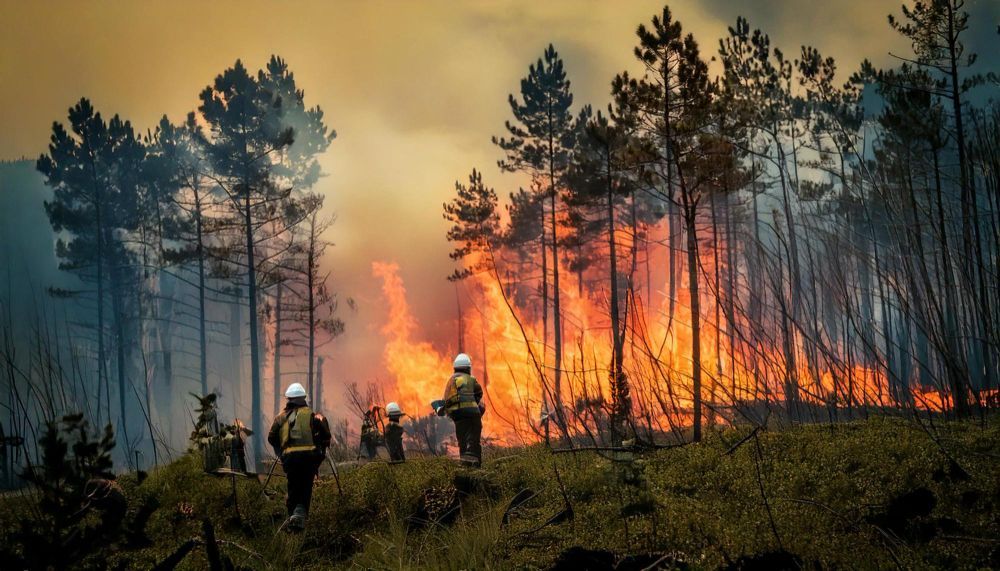
STAY INFORMED. BE PREPARED. ACT EARLY.
Wildfires can develop rapidly and leave limited time to make decisions. Understanding local risks, preparing an evacuation plan, keeping essential supplies ready, monitoring official alerts, and knowing your evacuation routes can help protect lives and property.
Prepare early. Follow official guidance. Act quickly. Put safety first.
EDITORIAL & SOURCE NOTE
This page provides general wildfire awareness, preparedness, safety, and recovery information. Emergency procedures vary by location, so always follow current instructions from local fire authorities, emergency-management agencies, weather services, and public-health officials.
OUR SERVICES
02 TAKE THE NEXT STEP
